Core service
Switchable privacy film
Electric privacy glass, achieved by upgrading the glass already in the opening.
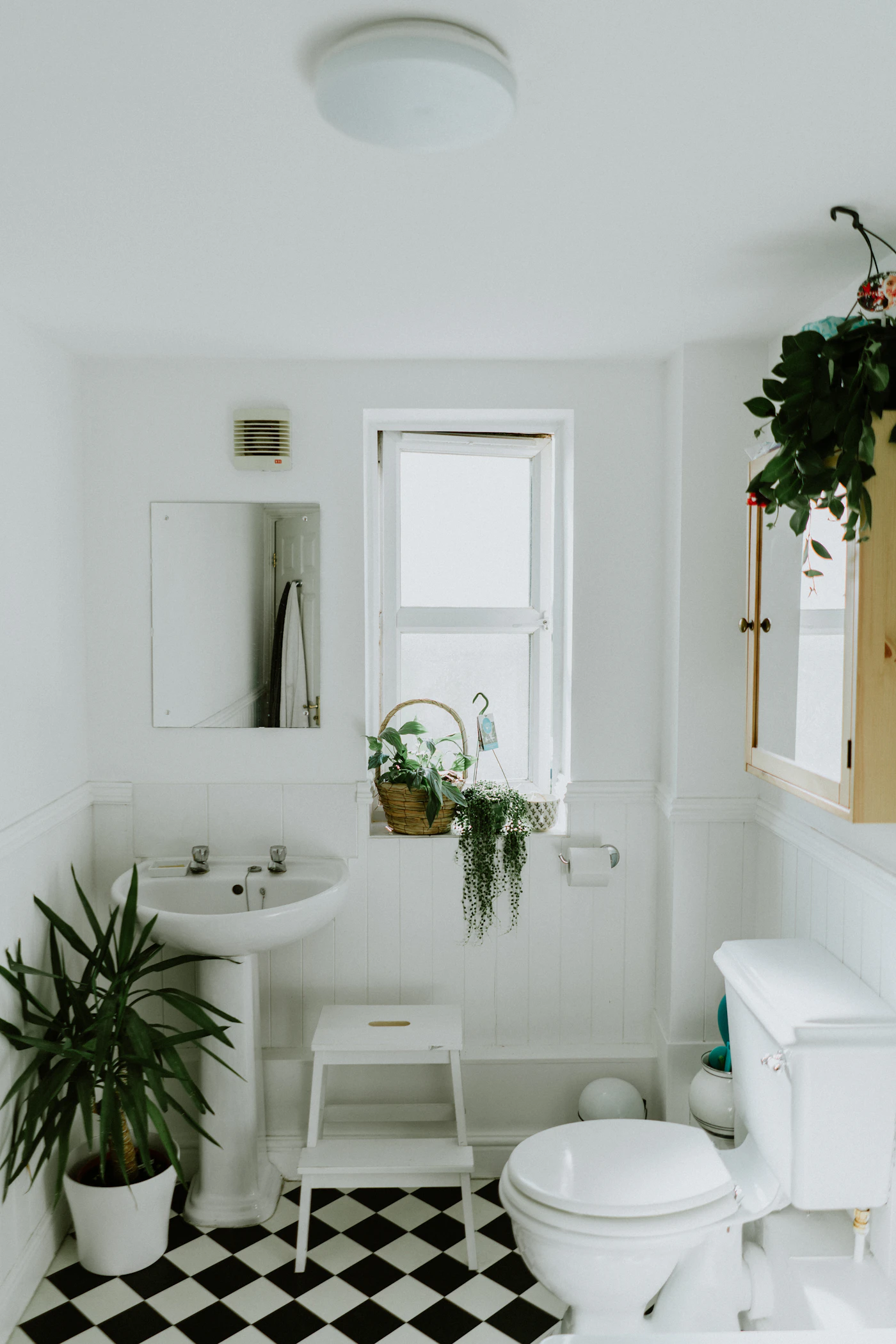
Interactive visualization — not a photograph of a completed installation.
Switchable privacy film, switchable film, electric privacy glass and privacy-on-demand all describe the same outcome: a glass surface with two states that a person can choose between instantly.
The privacy problem in glass-forward architecture
Designers specify glass for light, sightlines and spatial generosity — then the client moves in and covers half of it. Blinds, shades, film frost and curtains all solve privacy by permanently reducing the thing the glass was installed for.
Switchable film keeps the architecture intact. The opening reads as glass, the room stays uncluttered, and privacy becomes a moment rather than a fixture.
Typical rooms
- Ensuite bathrooms and shower enclosures
- Entry doors and sidelites facing a street or courtyard
- Glass-fronted offices and executive rooms
- Consultation and treatment rooms
- Interior partitions between shared spaces
- Ground-floor living spaces with close neighbours
Control and daily use
Most clients settle on one primary control and one convenience control — for example, a wall switch by the bathroom door plus a remote on the nightstand, or a building control scene that sets a boardroom private when a meeting begins.
Control choice affects both wiring and cost, so it is confirmed during planning rather than at the end of a job.
What to plan for
The three things that most often surprise clients are panel width limits on very wide openings, the transformer location, and how visible the wire run will be in an already-finished room. All three are decided at survey stage, and all three are why we quote a range rather than a per-foot number over the phone.
FAQ
Questions, answered directly
Keep reading
Related pages
Next step
Schedule a smart film consultation
We review your glass, wiring path and control preference, then give you a planning range and a realistic programme.